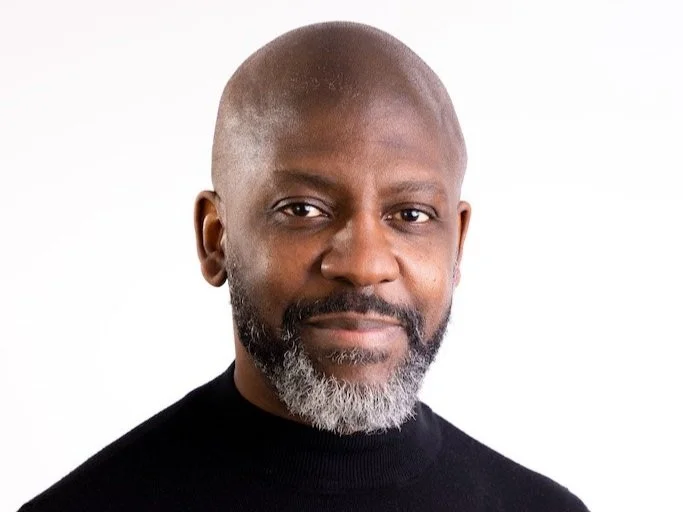
About | David McQueen

Executive Advisor · Leadership Strategist · Speaker

David
McQueen

I work with CEOs, founders, and senior executives at the moments when decision quality matters more than decision speed. Where consequence is real and thinking must hold up under scrutiny. Where the margin for error is narrow, the cost of being wrong is material, and responsibility cannot be delegated.

Start a Conversation
David McQueen

My role is not to motivate, reassure, or provide off-the-shelf answers. It is to slow thinking at the point where speed feels seductive, surface the risks that polite conversations avoid, and support decisions leaders can defend as scrutiny intensifies.

At senior levels, most challenges are not technical. They are behavioural, systemic, and existential. My work is concentrated on the patterns that shape how leaders think under pressure, how organisations make decisions when accountability is distributed, and how consequences compound when left unexamined.

The practice is organised around three disciplines that sit beneath every engagement, regardless of format.

Judgement Under Pressure

The capacity to think clearly when stakes are high and time is scarce. Building the habits of mind that hold when pressure is highest before second-order consequences take hold.

Consequence Literacy

Understanding what decisions actually cost beyond the visible and immediate. Systems thinking over simple fixes. Hidden constraints, incentives, and drift.

Distributed Responsibility

Ethical leadership when tradeoffs are unavoidable. Governance realities: scrutiny and accountability. Leadership that does not centralise all risk in one person's thinking.

Grounded in governance,
built across continents

Leadership is revealed less by intention and more by the quality of decisions made under pressure. When context shifts, incentives distort, and information is incomplete, leaders are forced to rely on judgement rather than expertise alone.

My work helps leaders slow thinking at exactly those moments, before second-order consequences take hold. Chairs and non-executive directors often engage when the question is not what should we do, but what can we responsibly stand behind. This is where experience, ethics, and accountability collide.

Governance and Accountability

Alongside advisory work, I hold directorships and governance roles across multiple organisations. It keeps the work grounded in what boards actually carry: scrutiny, fiduciary responsibility, and decisions that do not come with perfect information.

Global Operating Context

I have worked with leaders across six continents, in varied cultural, regulatory, and economic environments. Context changes but the consequences of poor judgement compound quickly at senior levels. Decisions are never isolated. Leadership errors rarely stay local.

Capital and Transition

Fundraising rounds to £150M, founder-to-CEO transitions, M&A under compressed timelines, post-investment governance. The work is grounded in the specific moments where leadership is most exposed and the cost of poor thinking is hardest to reverse.

The BRAVE Leader

A book that codifies much of the thinking behind the advisory work, particularly around clarity under pressure, ethical courage, and leadership judgement.

The ideas introduced in the book underpin the speaking, advisory, and programme work today, providing a shared language for leadership behaviour and decision-making at senior levels. It exists to be used in boardrooms, leadership teams, and moments where responsibility cannot be deferred.

Pressure Judgement Courage Ethics

The BRAVE methodology gives leaders a shared language for the moments where behaviour and values are tested most.

The BRAVE Leader by David McQueen

Three areas of sustained focus across every engagement.

Judgement

  • Executive decision-making under pressure
  • Second-order consequences and risk accumulation
  • Shared criteria for good judgement at senior level
  • The internal patterns that pressure reveals

Systems

  • Systems thinking over simple fixes
  • Hidden constraints, incentives, and drift
  • Culture as a strategic and financial asset
  • Structural clarity on authority and ownership

Responsibility

  • Ethical leadership when tradeoffs are unavoidable
  • Governance realities: scrutiny and accountability
  • Composure and credibility in moments that matter
  • Leadership that does not centralise all risk

If the work resonates, the next step is a conversation.

About what you are carrying, what is at stake, and whether the work fits the situation you are in.

Start a Conversation