Good gets heard. Great gets backed.
Coaching for CEOs and senior executives facing the presentations that move money, boards and people. The investor pitch. The board paper you have to defend. The all-hands after hard news.
Twenty-five years helping leaders say the important thing so it lands.
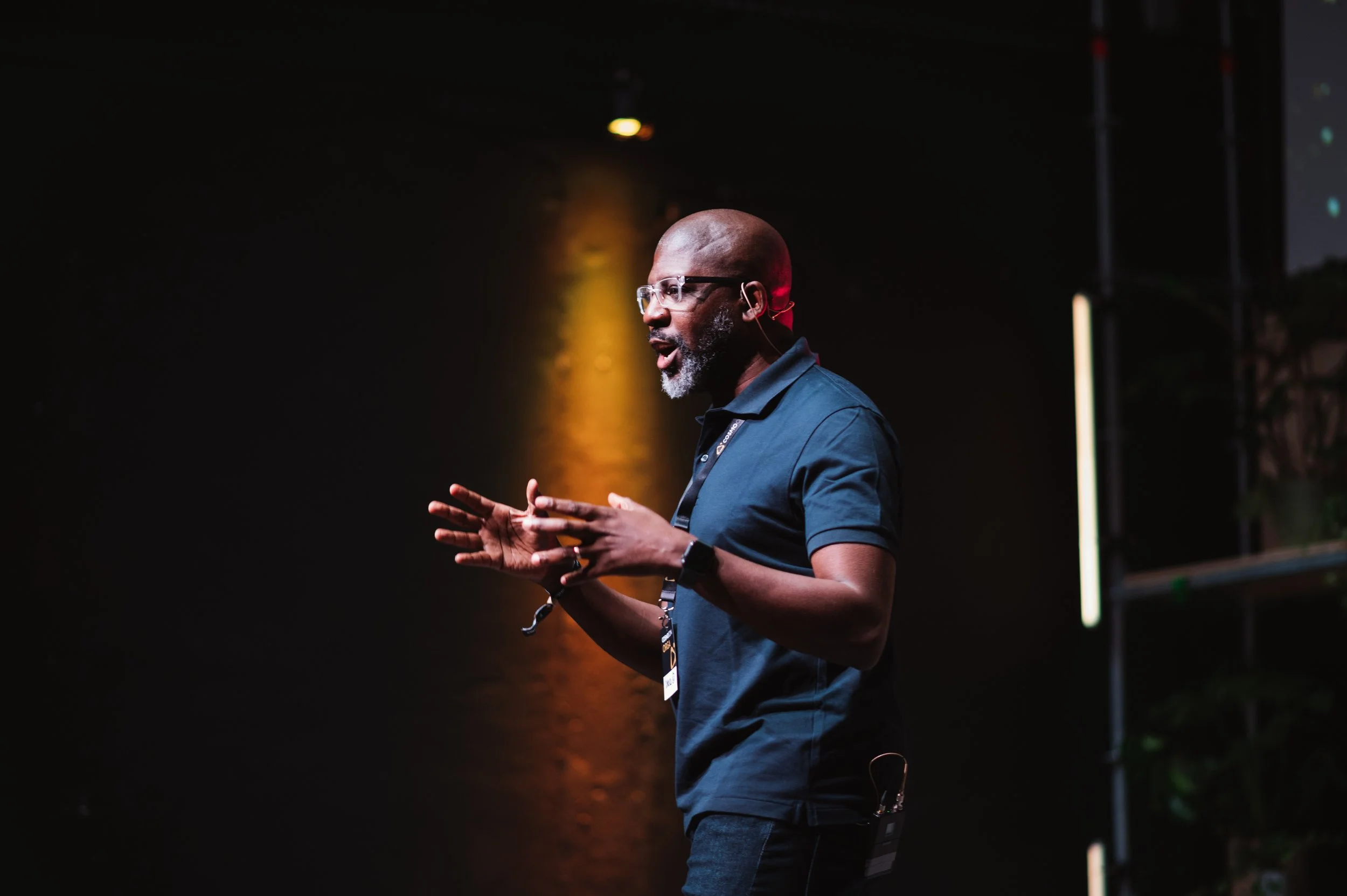
Nobody tells the CEO the deck is too long.
Most presentation coaching is built for nerves. Senior leaders rarely lack confidence. They lack time, a clear single message and anyone who'll give them honest notes.
The stakes are different too. A weak pitch costs you the round. A muddled board paper costs you the decision. A badly handled all-hands costs you people you wanted to keep.
So I sit in the second chair. Close enough to know what you're trying to do. Independent enough to tell you when it isn't working.
Built for the rooms where it counts.
The investor pitch and roadshow
A tight case, a clear ask, and calm answers to the questions that decide the room.
The board and investment committee
Lead with the recommendation. Defend it without getting defensive.
The all-hands through change
A restructure, a merger, a missed number. Honest and steady, with the room still with you at the end.
The first address as CEO
The first time the whole company hears you in the role. It sets the tone for years.
Results, AGMs and partner days
Numbers made into a story people believe, without spinning them.
The keynote you've been dreading
One argument, rehearsed until it sounds like you on your best day.
CRAFT. Five stages, first draft to debrief.
The same method for every presentation. What changes is what each stage asks of you. Pick your moment to see how.
Clarify
Who is in the room, and the one thing they must remember.
What does this investor need to believe to say yes? One sentence. Everything else serves it.
What decision do you need, and what will stop them giving it?
What do people need to hear first? Usually, what this means for them.
One argument the audience will repeat at dinner.
Roadmap
Map the story. Get a first version down.
Problem, proof, plan, ask. In that order.
Lead with the recommendation. Then the risks. Then the options you ruled out.
Say the hard thing early. Then why. Then what happens next.
Open with a story. Build the argument. End on what they do on Monday.
Arrange
Tighten the script. Slides that support it.
Cut the deck by a third. Numbers they can check, not numbers that impress.
A paper they can read in ten minutes, and a deck that doesn't repeat it.
Fewer slides. Sometimes none. Plain words over corporate ones.
Slides that back you up, not a script on a screen.
Finesse
Rehearse on camera. Presence, pace and the room.
Rehearse the twenty hardest questions, with me as the sceptical partner.
Practise the awkward question. Answer it calmly, in under a minute.
Rehearse the Q&A you're dreading. Steady beats polished.
Pace, pauses and the tech, until it sounds like you on your best day.
Tune
Review what landed. Carry it into the next one.
Debrief every meeting. Change one thing before the next.
Review the outcome and the room. Take it into the next meeting.
Read the reaction in the weeks after. Adjust the next message.
Watch it back. Keep what worked for the next stage.
All five, or just the one you need. Some leaders want the full process. Others want a sharp pair of eyes on the deck, or one hard rehearsal the night before.
Three rooms. Three moments that counted.
Details changed to protect confidentiality. Shared with permission.
[Founder, sector, round]
The moment: [A Series A roadshow, eight investor meetings in two weeks.]
The challenge: [A 30-slide deck and no clear ask.]
What we worked on: [Clarify and Arrange: one sentence the investor must believe, and the deck cut by a third.]
What happened: [The result, ideally a number.]
[CEO or CFO, sector, size]
The moment: [A board paper asking for sign-off on a major investment.]
The challenge: [The recommendation was buried on page nine.]
What we worked on: [Roadmap and Finesse: recommendation first, and rehearsing the three hardest questions.]
What happened: [The result.]
Director, international banking group
The moment: [A keynote to an audience of senior colleagues and clients.]
The challenge: [What wasn't working at the start.]
What we worked on: [The CRAFT stages that made the difference.]
What happened: One of the best-rated speeches of the conference.
Forged on every kind of stage.
I've helped founders raise more than £150m, so I know what investors listen for. I've spoken on TEDx stages three times. And I learned to read a room the hard way.
- Twenty-five years coaching speakers
- Toastmasters, then the Professional Speakers Association
- Conference host and facilitator
- Stand-up comedy. Nothing teaches timing faster.
- Wedding celebrant. Nothing teaches stakes faster.
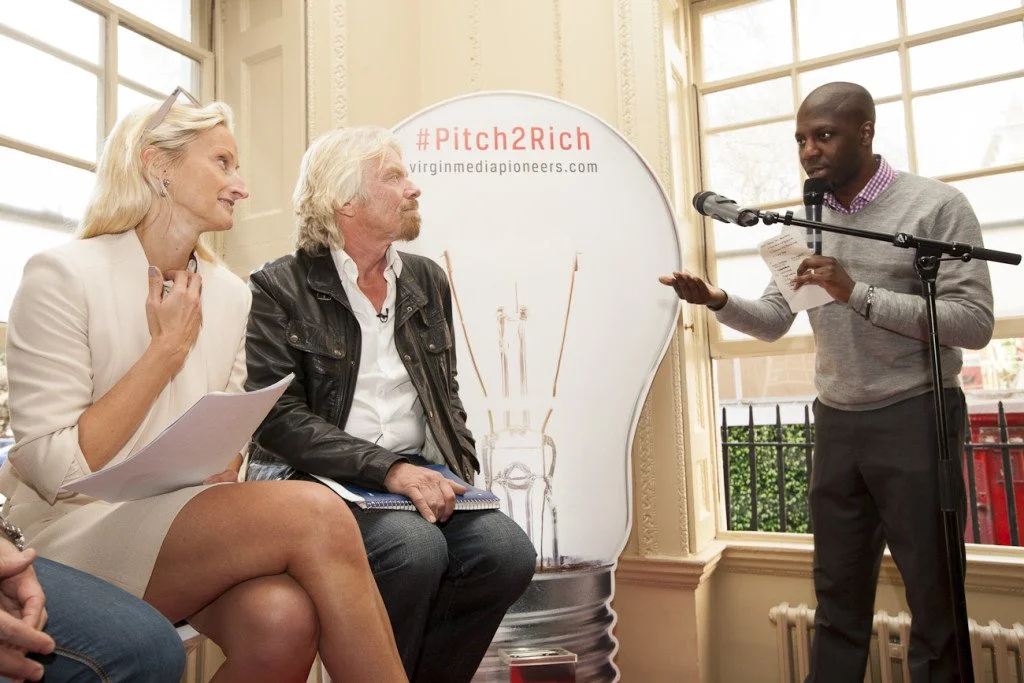
"David helped me to craft and deliver one of the best-rated conference speeches."
Shaped around your moment.
One moment
The full CRAFT process for a single pitch, board meeting or keynote. From first draft to debrief.
One stage
A script review, a deck rework or a hard rehearsal, when the rest is already in hand.
The leadership team
One story across every speaker. For roadshows, board days and results.
Confidential by default. I don't name senior clients without permission. Earlier-stage founder? A Pitch Room is a good way in. Want CRAFT for a whole audience? See the keynote Unforgettable by Design.
Tell me about the room you're walking into.
What you're presenting, when and to whom. We'll work out together where coaching makes the difference.